Susan (she/her)
BSc Adult Nursing and Graduate Cert. in Ophthalmic Nursing
Susan is an Ophthalmic Nurse Practitioner working in Greater Glasgow and Clyde with both clinical and surgical roles

Qualifying is simple. You only need to meet one of the following criteria:
Students whose parents did not complete a university degree.
Students who spent some time in the care system.
Students who have no contact with their family due to a breakdown in their relationship.
Students who have come to the UK for their safety due to dangerous situations at home. These students may be Refugees or Asylum Seekers, but can also be students on other visas who have come for safety reasons.
Getting a mentor is a simple process, here’s a quick breakdown to help you understand how it works.

1
As soon as you have accepted a university offer, you are eligible to be matched with a mentor. At this point you should complete the Student Registration Form for the Mentorship Programme.

2
The next step is to complete the onboarding modules. This helps ensure you and your mentor are on the same page regarding how the Mentorship Programme works and what to expect.

3
Once you fill out our Student Registration Form and complete the Onboarding Modules, we can begin the process of pairing you with a mentor.

4
These meetings enable you to discuss any questions, issues, or topics related to your university studies with someone who has successfully completed their own university degree. NB: while it is likely that you will discuss study strategies and classroom expectations with your mentor, they are not expected to provide you tutoring for course content.

5
My Academic Family has a Discord channel that you will be able to access that will allow you to communicate with other students involved in the Mentorship Programme.
Our mentors are volunteers who have already completed their university degrees in the UK. Many of our mentors were first-generation students themselves and understand the extra difficulties associated with learning how to navigate the university environment on your own.
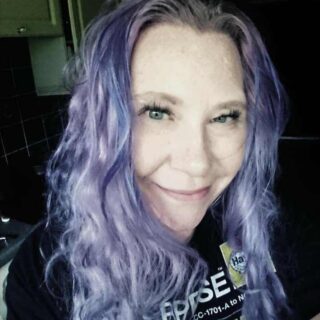

BSc Adult Nursing and Graduate Cert. in Ophthalmic Nursing
Susan is an Ophthalmic Nurse Practitioner working in Greater Glasgow and Clyde with both clinical and surgical roles
English Language and Literature
Daniel has always been passionate about supporting people to be their best, and now works at Glasgow Kelvin College as their Organisational Development Lead.


Women’s Studies and Feminist Research
Gina’s academic interests include arts-based research, Pagan studies, and life storytelling. Gina is a photographer who loves creating fictional characters inspired by fantasy, and feminist historical fiction.
Accountancy (Honours)
Fiona is a qualified Chartered Accountant who has a true passion for helping others reach their full potential.